Sliding Patio Door Hard to Open? Check the Track, the Rollers and the Adjustment, in That Order
A sliding patio door that has become hard to open is almost always one of three things: a dirty sill track, rollers that are worn or dry, or a panel whose height adjustment has drifted so it drags. Manufacturer guides put them in that order. Clean the track first, lubricate the rollers (Andersen says never the track), then adjust the roller height through the holes at the bottom of the panel. If the rollers are cracked, chipped or will not spin, they need replacing, which means taking the panel out.

The Short Answer
When a sliding patio door gets hard to open, the panel itself is rarely the problem. It is usually the sill track the panel runs on, the two rollers under the panel, or the height adjustment on those rollers. Work through them in that order, because the first is the cheapest to fix and the last is the most likely to be made worse by guessing.
Andersen’s care guide names the symptoms that point to the track and rollers: “visible debris, the operation is bumpy, or the operation requires more effort than normal.” Its troubleshooting for a stiff panel names the third cause: the panel “may be dragging slightly because the door is out of alignment.”
Step One: Clean the Sill Track
Start with the track, the channel on the sill that the rollers ride in. Marvin’s owner’s manual for its Infinity sliding doors puts it plainly: “Most problems can be eliminated by keeping the sill clean.”
Andersen’s instructions for its gliding patio doors are to open the door, “use a soft-bristle brush and warm, mild soapy water to remove any dirt,” rinse off the soap residue with clean water, and let the track dry before closing the door. Andersen recommends doing this at least once a year, and at least every three months in coastal, industrial or agricultural areas where there is more dirt, dust, smoke or salt spray in the air.
Be careful what goes on the sill. Marvin’s manual warns owners to prevent damage “by not getting any paint, solvent or chemicals on sills.”
Step Two: Lubricate the Rollers, Not the Track
Andersen says to apply its dry lubricant spray to the rollers, either through the adjustment hole at the bottom of the panel or directly onto the rollers with the panel removed, and it is specific about the track: “Do not use lubricant on the track; this will cause the rollers to slide, instead of roll.”
Marvin makes the same distinction in its own words. Its manual says it is “very seldom that door rollers, lock and hinges require lubrication,” and that a spray lubricant can be used occasionally to keep operation smooth, noting that the rollers are visible underneath the operating panel.
Use the product your door’s manufacturer names. The care guide for your own door is the authority on what goes on it.
Step Three: Check the Rollers Themselves
If a clean track and lubricated rollers have not fixed it, look at the rollers. Andersen’s guide to its gliding door rollers says that if the rollers make noise when the door opens or closes, or the door has become difficult to slide, the rollers should be inspected, and replaced if they are “difficult to spin, chipped, cracked, or worn.”
The operating panel, the one that moves, runs on two rollers on its underside. Andersen notes that “the patio door panel must be removed to inspect the rollers,” and its roller types vary by product series and manufacturing date, so a replacement has to be matched to the door.
Removing the panel is not a casual job. Pella’s installation instructions for its sliding patio doors carry the warning that installation “may require (2) or more persons for safety reasons,” and Marvin’s manual tells owners who need a door panel removed to contact their dealer “for either detailed instructions or for a service person to remove the panel for you.” A glass door panel is heavy, and if it falls it can injure someone. If you are not sure, leave panel removal to someone who does it routinely.
Step Four: Adjust the Roller Height
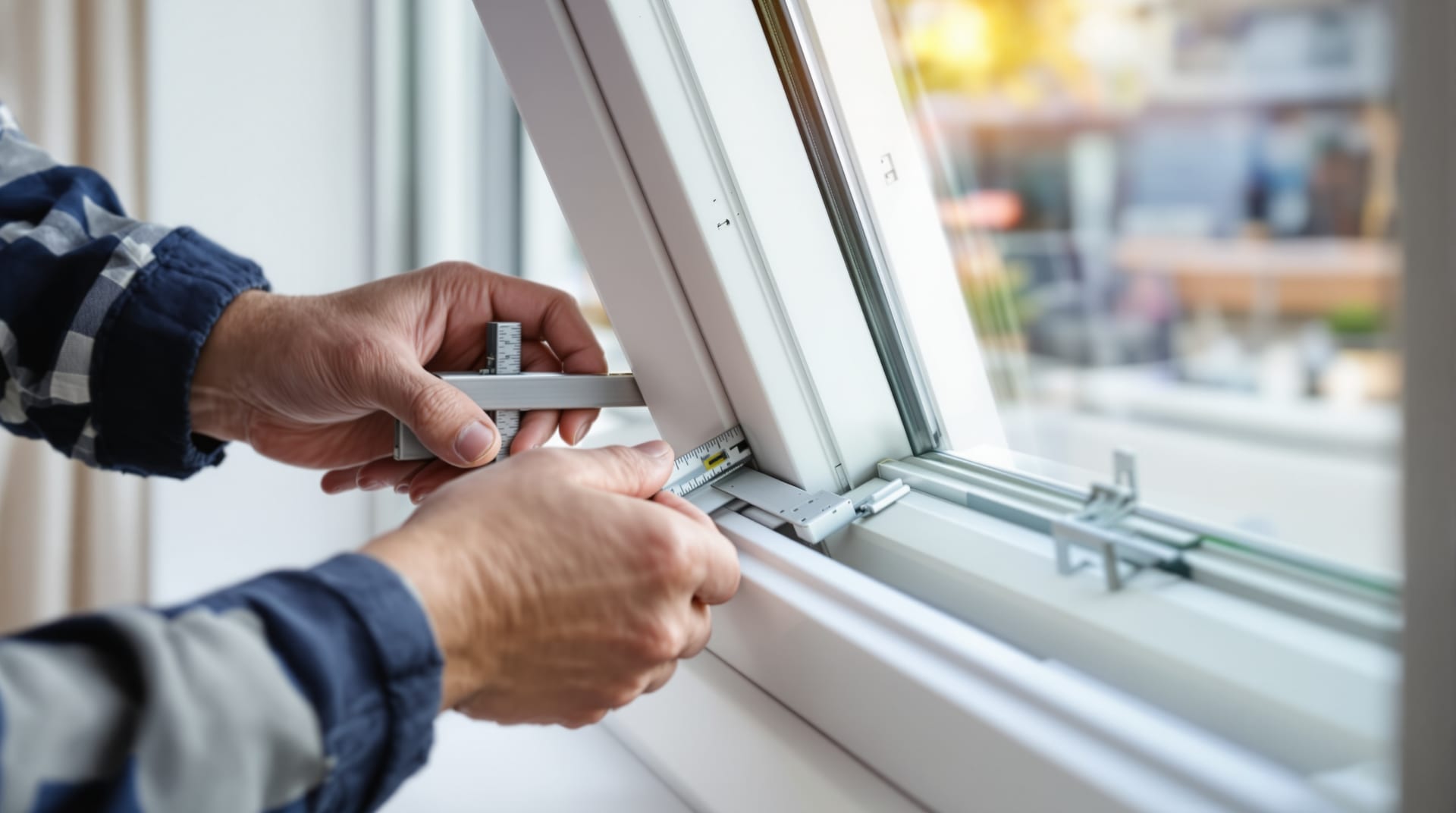
On the Pella and Marvin sliding doors covered here, the rollers are height-adjustable. Turning the adjustment screw raises or lowers that end of the panel, which is how a panel that has settled onto its track, or drifted out of square with the frame, is brought back.
The details differ by manufacturer, so follow the guide for your door. Pella’s instructions are to remove the hole cover, if there is one, and use a #2 Phillips screwdriver to turn the roller adjustment screw “clockwise (raise) or counterclockwise (lower),” setting the panel at 1/4 inch clearance from the bottom of the panel to the sill track, then checking the reveals between the panel and the frame and between the two panels. For doors with heavy impact-resistant or triple-pane glass, Pella says to use a small pry bar to raise the panel while turning the screw, so the threads are not stripped.
Marvin’s procedure for its Infinity sliding doors is to remove the two roller adjustment hole caps from the bottom rail of the operating panel, slide the panel 1/2 to 3/4 inch away from the locking jamb, and turn the adjustment screws until the reveal is even. Its next step is the telling one: if an even reveal cannot be reached along the whole length of the panel, ensure the locking jamb is shimmed plumb and level. At that point the problem is the frame, not the rollers.
When It Is the Installation, Not the Door
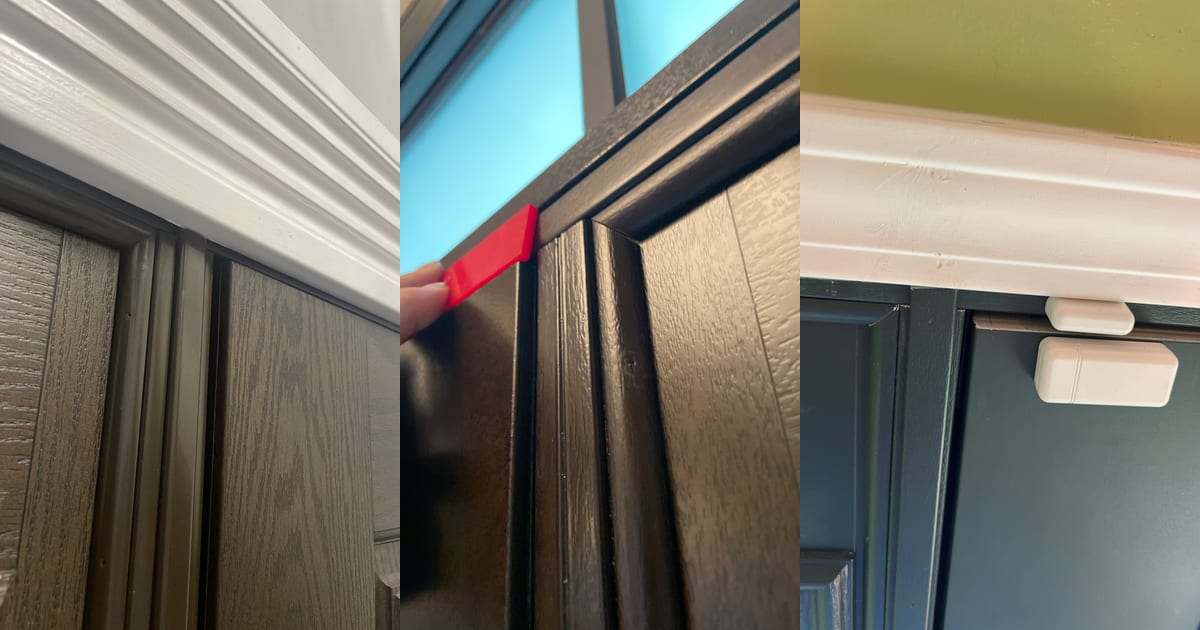
Some hard-to-operate doors are not a roller or track problem at all. Andersen’s troubleshooting for a gliding door that is hard to close lists a door “installed out of plumb, out of level, or out of square” among the causes, and sends the owner to check the installation and, if needed, a service provider. No amount of roller adjustment fixes a frame that is out of square; it only moves the drag somewhere else.
That is one reason UTS ServicePros contractors record measurements and photographs of any installation fault on an inspection. The pattern is familiar from entry doors too: a door that looks warped is often straight, hung in a frame that is not.
How Often This Comes Up
Sliding door rollers and tracks appear in 2% of the 246,000+ door and window work orders with a written request that UTS ServicePros handled between January 2008 to September 2026. Units that stick, sag, drag or will not open or close as designed, a wider category that includes sliding doors, appear in 9%. The categories are drawn from the request text and a work order can fall in more than one. The full breakdown is on the field record.
Getting It Repaired
If your door is under warranty, start with the manufacturer. Warranty repairs are dispatched by the manufacturer, and when UTS ServicePros is the service network it uses, a contractor contacts you to schedule. What to expect from that visit.
If the door is out of warranty, or the manufacturer covers the part but not the labor, request a repair quote with photos of the track, the bottom of the panel and any label on the frame. UTS ServicePros repairs sliding patio door roller assemblies, tracks and panel adjustment, fitting the manufacturer’s own parts, and responds to quote requests within 48 hours. See what UTS repairs, or contact the team with a question first.
Technical references
- Clean and Care for Sill Track and Rollers on Andersen Gliding Patio Doors — Andersen Windows & Doors. Symptoms that call for cleaning; soft brush and mild soapy water; cleaning frequency; dry lubricant on the rollers, not the track.
- Adjust Operating Panel on Andersen Gliding Patio Doors — Andersen Windows & Doors. A stiff panel may be dragging because the door is out of alignment; the panel adjusts up or down in the frame.
- Identify and Order Andersen Gliding Patio Door Rollers — Andersen Windows & Doors. When to inspect and replace rollers; two rollers under the operating panel; the panel must be removed to inspect them.
- Unable to or Hard to Close Andersen Gliding Patio Door — Andersen Windows & Doors. A door installed out of plumb, level or square as a cause of difficult operation.
- Installation Instructions: Block Frame Sliding Patio Doors (FF_BFBS-SPD, revised July 16, 2025) — Pella Corporation. Two or more persons for safety; roller adjustment with a #2 Phillips screwdriver, clockwise to raise; 1/4-inch clearance to the sill track; pry bar for heavy glass panels.
- Infinity from Marvin Owner’s Manual: Care and Maintenance — Marvin. Keeping the sill clean; no paint, solvent or chemicals on sills; rollers seldom need lubrication; panel removal by a service person; panel adjustment procedure and shimming the locking jamb.
- Door & Window Warranty Field Record — UTS ServicePros. Sliding door rollers and tracks appear in 2% of 246,000+ work orders with a written request, January 2008 to September 2026.