Window Component Failures: Glass, Sash, Frame and Hardware, and How Each Is Repaired
Most window failures involve one component, and most can be repaired without replacing the window. Foggy glass means the insulating glass seal has failed and the glass unit is replaced in the existing sash or frame. A sash that binds, a lock that will not engage or a sash that will not stay up is usually a sash, hardware or balance problem with its own repair. The inspection’s job is to find which component failed and whether the cause is the product, the installation or the conditions around it.

Insulating Glass Seal Failure: The Most Common Window Repair We See
In UTS ServicePros’ own work order record, insulating glass and glazing appear in 33% of the 246,000+ door and window work orders with a written request, January 2008 to September 2026, more than any other component.
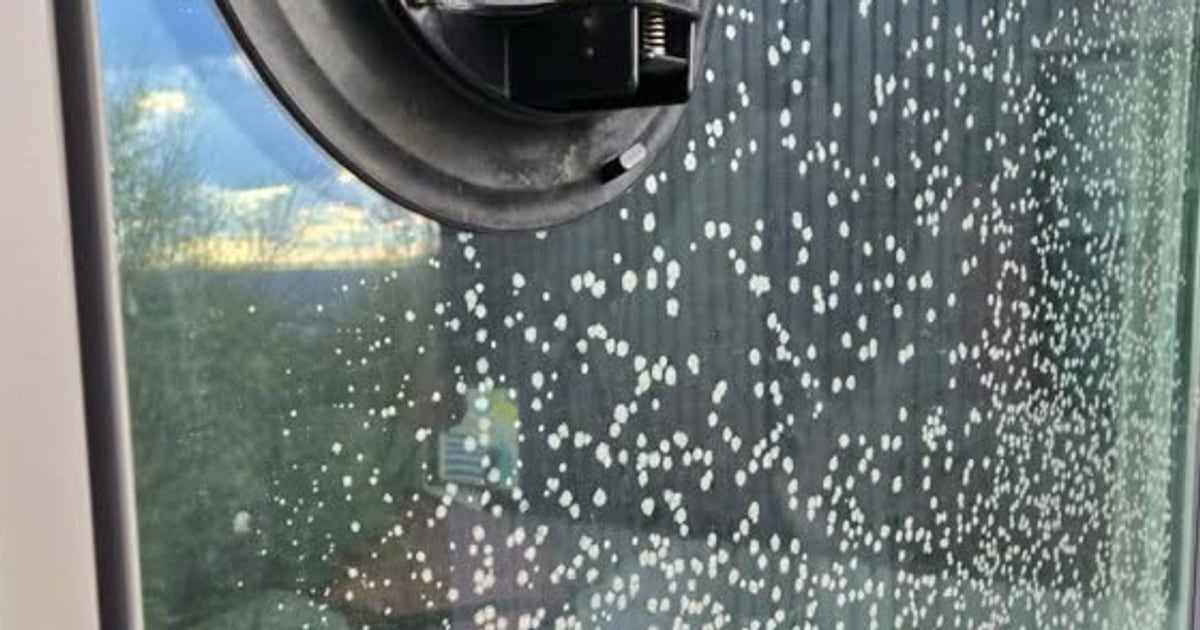
An insulating glass unit, or IGU, is two or three panes held apart by a spacer and sealed around the edge. When the edge seal fails, moist air gets into the space between the panes. It shows as fogging or haze that cannot be wiped off either face of the glass, and over time it can permanently damage the Low-E coating inside the unit.
The repair is a new glass unit made to the size and makeup of the original, glazed into the existing sash or frame. How a unit is set into a frame, including setting blocks, edge clearances and glazing materials, is covered by IGMA TM-3000, the North American glazing guidelines for sealed insulating glass. The full guide to foggy glass and how it is replaced.
Sash Problems: Binding, Sagging and Racking
The sash is the part of the window that holds the glass and, on an operable window, moves. A sash that drags, binds or will not close evenly has usually changed shape or position: a casement sash sagged at its lower hinge corner, a sash racked out of square, or a vinyl or wood sash that has moved with heat or moisture.
The cause decides the repair. A sagged casement may need its hinges or operator replaced; a racked sash may need its joints repaired or the sash replaced; a wood sash swelling from water needs the water source found, or the problem returns. On an inspection, the contractor checks the sash against the frame, the hardware alignment and any path water is taking, and photographs what they find.
Frame Problems: Usually Water or Installation
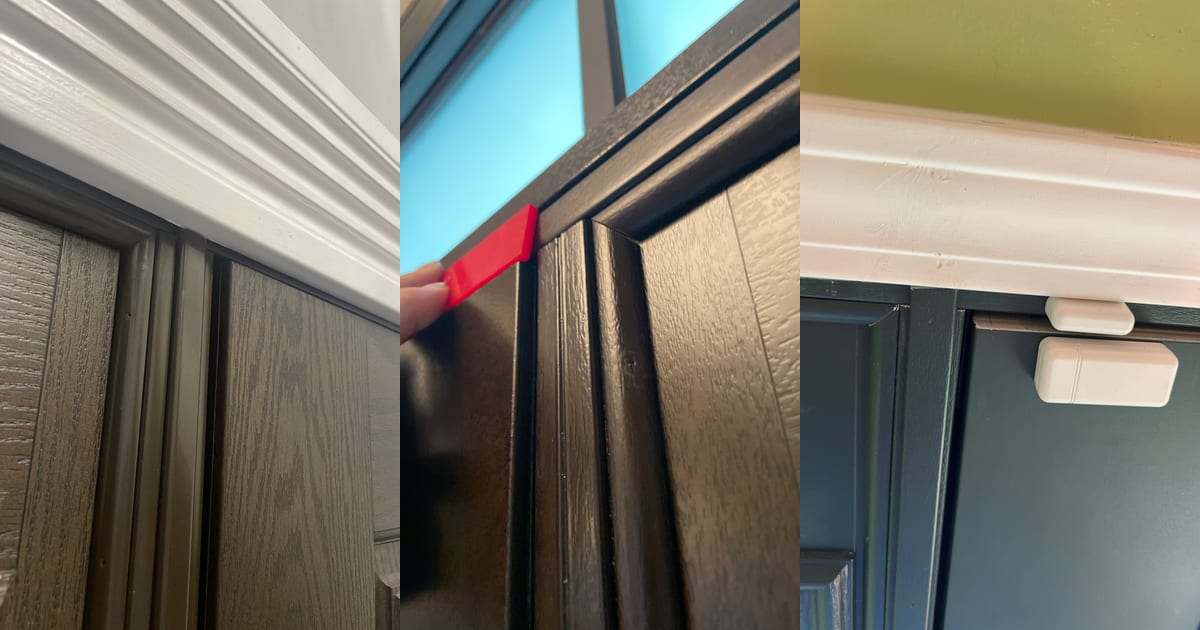
The frame holds the sash and seals the window to the wall. When a frame is out of square or twisted, every operating part suffers. Much of the time the cause is not the frame material but how it was set: shimming, anchoring and the flashing and sealant around the opening. A vinyl frame can also distort under heat, and a wood frame can rot where water gets in at the sill or jambs.
Frame problems are the ones most likely to need more than a part. Where the frame itself has failed, the remedy may be a full unit replacement, which is the manufacturer’s decision. UTS ServicePros performs that installation when the manufacturer directs it, and does not carry out engineering evaluation, design analysis or structural assessment of the wall.
Hardware and Balances
Locks, hinges, casement and awning operators, and the balances that hold up a single- or double-hung sash are wear parts. A crank that slips, a lock that will not engage, or a sash that will not stay where it is put usually points to one of them.
Each is replaced individually: operators and their arms and hinges on casements and awnings; block-and-tackle, spiral or constant-force coil balances on hung windows. The judgment is whether the part simply wore out or failed because of something else. A new operator on a sagging sash will fail again unless the sag is corrected too, which is why the inspection looks at the sash before the part. Diagnosing a casement window that will not crank, and a sliding patio door that is hard to open.
What a UTS ServicePros Inspection Records
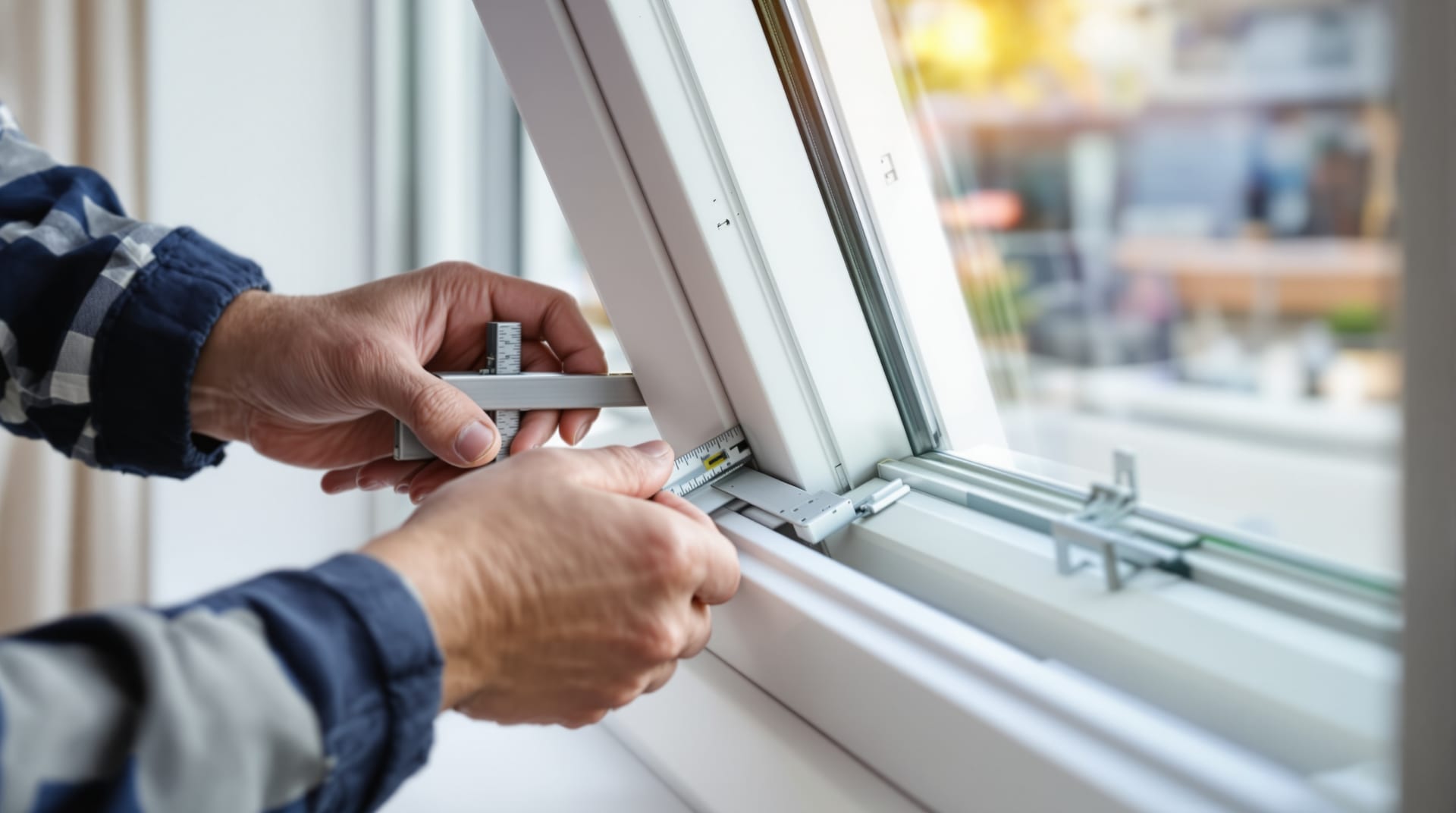
An inspection is a fact-finding visit, not a sales call. The report must cover every issue found with the product, not only the one the homeowner reported, and installation faults are recorded with measurements and photographs. The contractor records the product label information where it exists, tests each operating part, and notes what points to a product defect, an installation error or the conditions the window is exposed to.
The inspector makes no promise to the homeowner about the remedy. The manufacturer decides whether a component or the whole unit is replaced. How UTS ServicePros inspections work.
Technical references
- IGMA TM-3000, North American Glazing Guidelines for Sealed Insulating Glass Units for Commercial & Residential Use — Fenestration and Glazing Industry Alliance (FGIA). Guidance on setting blocks, clearances and glazing materials when an insulating glass unit is set into a frame.
- ASTM E2190-19, Standard Specification for Insulating Glass Unit Performance and Evaluation — ASTM International. The durability standard that sealed insulating glass units are tested against.
- Door & Window Warranty Field Record — UTS ServicePros. Share of work orders involving insulating glass and glazing.