Brand Protection8 min read

Door Warranty Disasters: When Frame Warping, Seal Failure & Hardware Breakdowns Destroy Your Brand

Doors are high-touch, high-stakes products. When a door fails — whether it is a warped frame that will not close, a seal that leaks water onto hardwood floors, or a lock that leaves a family unable to secure their home — the homeowner's emotional response is immediate and intense. A slow or unprofessional warranty response transforms a product defect into a brand crisis.

Stephen Somers

Warranty Claims Manager, UTS ServicePros

Door Warranty Disasters: When Frame Warping, Seal Failure & Hardware Breakdowns Destroy Your Brand

Why Door Failures Are More Damaging Than Window Failures

Windows fail silently. A seal between two panes of glass degrades gradually. Condensation appears. The homeowner notices, is annoyed, and calls for warranty service. The emotional temperature is elevated but manageable.

Doors fail loudly. A warped fiberglass door frame prevents the door from latching, leaving a family unable to lock their home at night. A failed door bottom seal allows rainwater to pour onto a hardwood entryway during a storm, causing thousands of dollars in flooring damage. A broken multi-point lock traps a homeowner inside their house during a medical emergency. These are not inconveniences. They are crises.

The emotional intensity of door failures creates an immediate brand risk that window failures rarely match. A homeowner whose window fogs will post a one-star review complaining about poor quality. A homeowner whose door will not lock will post a scathing review, tag the manufacturer on social media, file a complaint with the Better Business Bureau, and tell everyone they know never to buy that brand. The amplification is exponential because the stakes feel existential — safety, security, and shelter.

For manufacturers, this means that door warranty response cannot follow the same timeline as window warranty response. A fogged window IGU can be scheduled for replacement in two weeks without catastrophic brand damage. A non-locking door requires same-day or next-day response. Anything slower transforms a warranty event into a public relations disaster.

Frame Warping: The Structural Nightmare

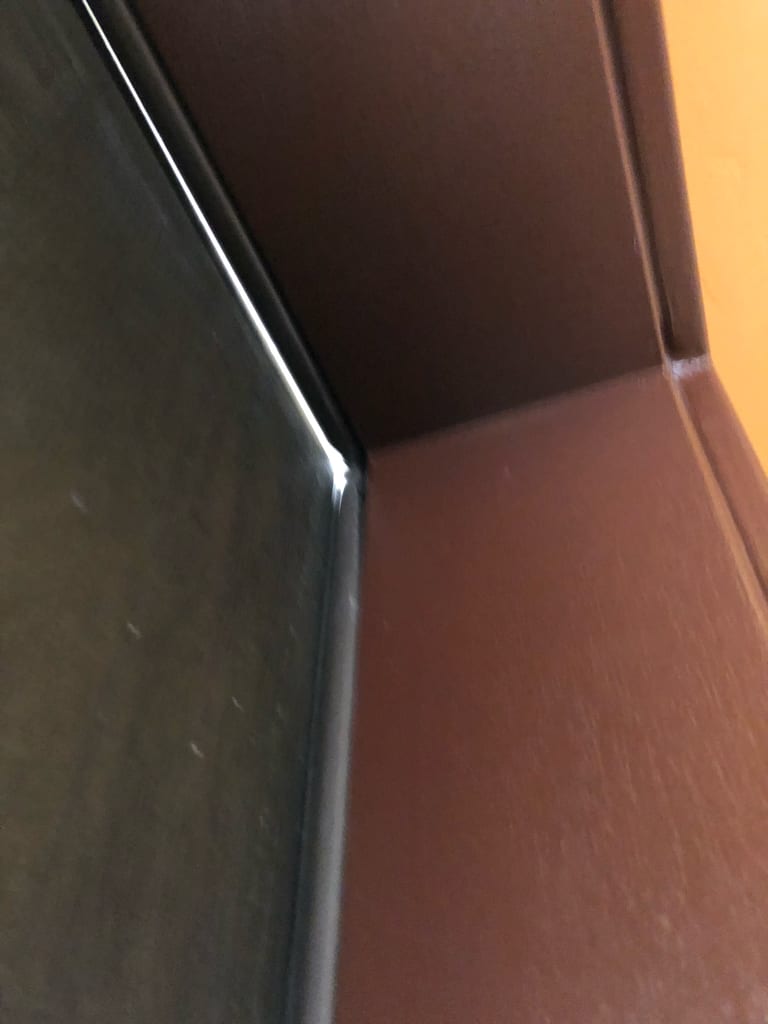
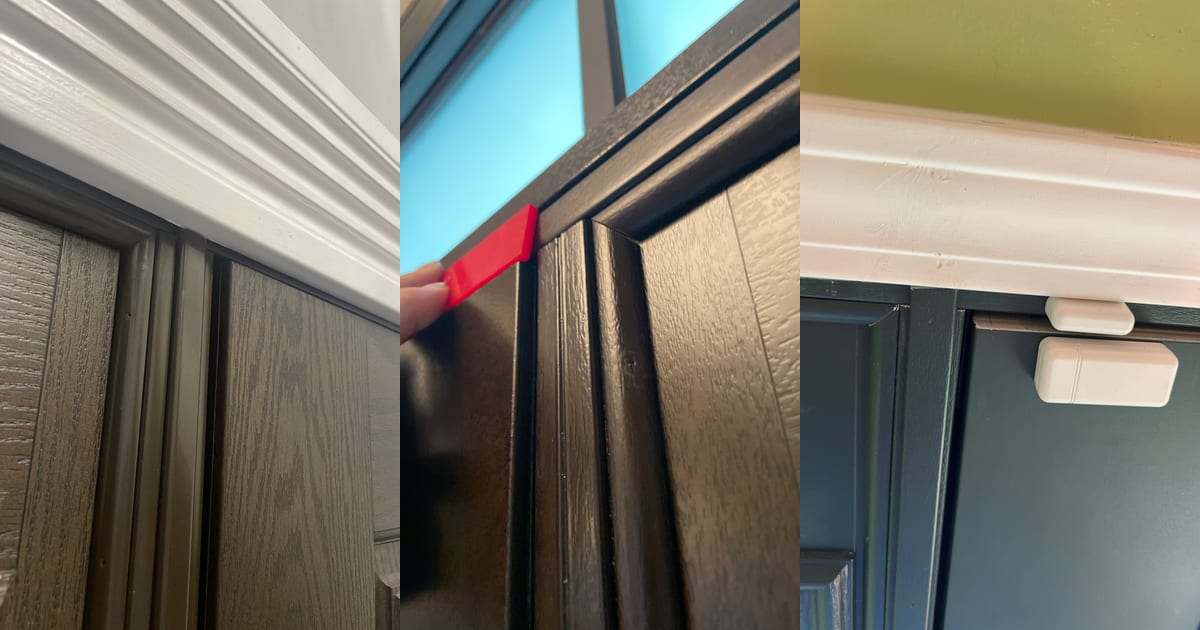
Door frame warping is the most structurally serious door failure mode. Unlike a window sash, which operates within a fixed frame pocket, a door slab hangs from hinges attached to a frame that must remain geometrically stable within a rough opening that may itself move as the building settles. When the frame warps, the entire door system fails.

Fiberglass door frames warp through thermal stress. Fiberglass has a very low coefficient of thermal expansion — much lower than the wood or steel components it often interfaces with. When a dark-colored fiberglass door faces direct sun exposure, the skin temperature can exceed 160 degrees Fahrenheit while the core and adjacent framing remain at ambient temperature. The thermal gradient creates internal stress that warps the frame stile or distorts the hinge jamb.

Steel door frames warp through corrosion. Even galvanized steel will eventually corrode at cut edges, hardware penetrations, and scratch points. The corrosion products (rust) occupy more volume than the original steel, creating localized swelling that distorts the frame geometry. Once a steel frame begins to corrode and swell, the distortion is progressive and irreversible without replacement.

Wood door frames warp through moisture cycling. Solid wood and engineered wood components absorb and release moisture with seasonal humidity changes. If the moisture content swing exceeds approximately 5% (for example, from 8% in winter to 14% in summer), the dimensional change is sufficient to warp the frame, loosen joints, and compromise the door seal.

Frame warp repair depends on severity. Minor warp — less than 1/4 inch at the latch jamb — can sometimes be corrected by planing the jamb, relocating strike plates, or adjusting hinge mortise depth. Moderate warp requires frame component replacement (typically the affected jamb). Severe warp, or warp accompanied by rot or delamination, requires full frame replacement with proper rough opening preparation and flashing integration.

Seal Failure: When Water Becomes the Enemy

Doors are the primary water intrusion path in residential construction. A door assembly includes more potential leak points than any other building envelope component: the threshold-to-sill interface, the door bottom sweep, the jamb weatherstripping, the frame-to-wall sealant, the glazing perimeter (if the door has glass), and the sidelight transom junctions. When any of these seals fail, water enters the building.

Threshold seal failure is the most common and most destructive. The threshold creates a dam between the exterior slab or landing and the interior floor covering. If the threshold cap is cracked, the subsill is not properly sloped to the exterior, or the caulking between threshold and frame has degraded, water flows under the threshold and into the subfloor. By the time the homeowner sees interior damage, the subfloor, wall base plates, and adjacent flooring have already absorbed moisture.

Door bottom sweep failure is closely related. The sweep — a flexible fin or brush that seals the gap between the door bottom and the threshold — compresses with every door operation. After 50,000 to 100,000 cycles, the sweep material fatigues and no longer maintains consistent contact. Wind-driven rain then pushes water under the door.

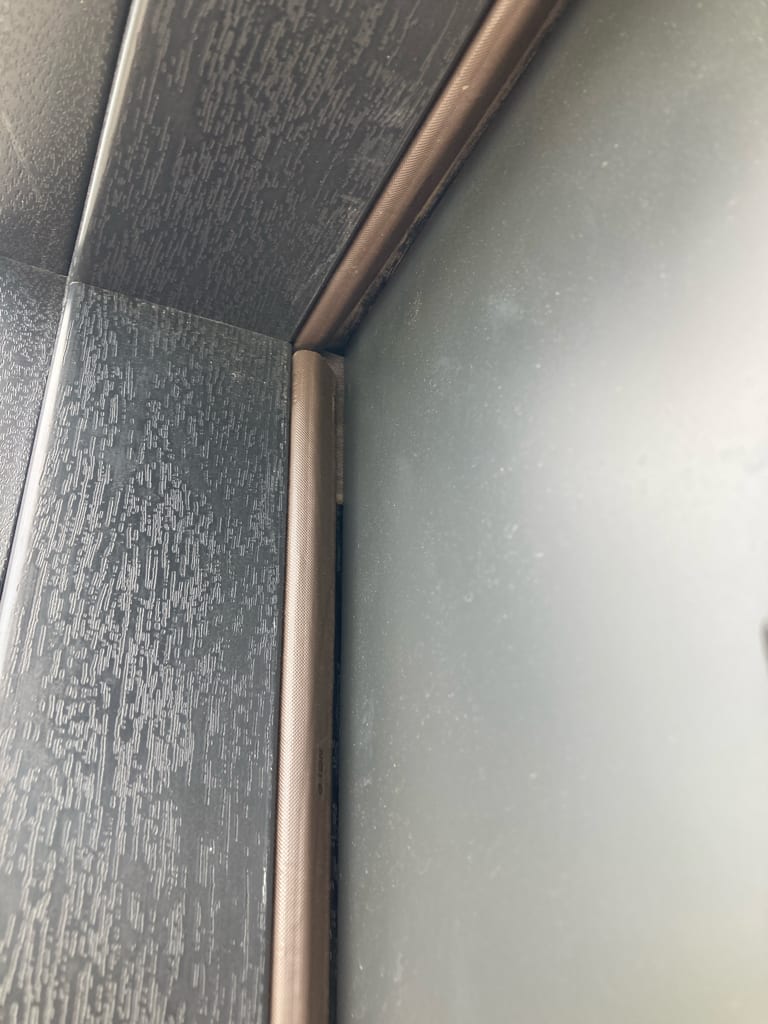
Jamb weatherstripping failure creates air and water leaks along the vertical edges. Compression-set foam weatherstripping loses resilience after 5 to 7 years and no longer seals against the door edge. V-profile weatherstripping can tear at the hinge-side fastener points. Magnetic weatherstripping (common on high-end entry doors) loses magnetic force as the door slab warps away from the jamb.

UTS ServicePros technicians evaluate the entire door assembly as a water management system, not merely a collection of components. The inspection includes a water spray test (simulating wind-driven rain), a smoke pencil test (identifying air infiltration paths), and a moisture probe assessment of the subfloor and wall base. This systems approach ensures that the repair addresses the actual water path, not just the most visible symptom.

Hardware Breakdown: Security, Safety, and Usability Collapse

Door hardware includes more components and more failure modes than window hardware. A typical entry door has a multi-point locking system with a central deadbolt, two to four shootbolts, a handle-set with internal chassis, hinges rated for the door weight, a closer (on commercial and some residential doors), and various accessories such as viewers, mail slots, and kick plates. Each component is a potential failure point.

Multi-point lock failures are the most serious hardware issue. The central gearbox, which translates handle rotation into shootbolt extension, wears out through metal-on-metal contact after approximately 10,000 to 15,000 cycles. When the gearbox fails, the shootbolts do not extend or retract properly. The door may appear locked while the upper and lower bolts are not engaged — a false security condition that is more dangerous than an obviously broken lock.

Hinge failures on heavy doors (solid wood, fiberglass with wood edge, wrought iron) occur when the hinge screws pull out of the frame jamb or the hinge barrels elongate under eccentric loading. A sagging door places continuous stress on the lock mechanism, accelerates weatherstripping wear, and can eventually prevent the door from closing at all.

Closer failures on storm doors and commercial entry doors create safety hazards. A leaking hydraulic closer allows the door to slam, which can injure occupants, damage the door and frame, and shunt glass sidelights. A closer with excessive spring tension makes the door difficult to open, creating ADA compliance issues and user frustration.

UTS ServicePros technicians are trained on the full range of residential and light commercial door hardware. They carry replacement components for major manufacturers, understand the interaction between hardware and frame geometry, and verify that every lock point engages properly before declaring a repair complete. Security is not assumed — it is tested and documented.

Rapid Response: The Only Acceptable Strategy for Door Warranties

Given the emotional intensity, safety implications, and brand amplification risk of door failures, manufacturers cannot afford slow or inconsistent warranty response. The homeowner with a non-locking door does not care about your internal dispatch queue. They care about whether their family is safe tonight.

A nationwide third-party service network is the only infrastructure that can deliver consistently rapid door warranty response across all markets. UTS ServicePros maintains certified door technicians in every state, with emergency dispatch capability for security-critical and weather-critical failures. Our average response time for emergency door issues is under 24 hours, and our standard warranty response time is 48 to 72 hours nationwide.

Equally important, our technicians understand that door warranty work is not merely a repair — it is a trust restoration. They communicate clearly with the homeowner, explain the diagnosis and repair plan, complete the work efficiently, and leave documentation that proves the warranty was honored professionally. That experience transforms a potentially brand-damaging event into a brand-building demonstration of the manufacturer's commitment to its customers.

For manufacturers, the strategic imperative is clear: door warranty response speed and quality are not operational details. They are brand survival issues. Partnering with a professional nationwide service broker is not an outsourcing decision. It is a reputation protection decision. UTS ServicePros delivers the rapid, professional, documented door warranty service that keeps your brand promise intact.

door warrantyframe warpingdoor seal failurehardware breakdownbrand protectiondoor repairmanufacturer reputationnationwide service

Frequently Asked Questions

Common questions about this topic from window and door manufacturers.

How quickly should a manufacturer respond to a door lock failure warranty claim?

Door lock failures that compromise home security should trigger same-day or next-business-day response. Every hour of delay increases the homeowner's anxiety and the probability of negative public reviews. UTS ServicePros classifies non-operational locks as emergency priority and dispatches accordingly.

Can a warped door frame be straightened without full replacement?

Minor frame warp (less than 1/4 inch) can sometimes be corrected by planing, strike plate relocation, or hinge adjustment. Moderate warp requires jamb replacement. Severe warp, or warp with moisture damage, requires full frame replacement. A UTS ServicePros technician will measure, diagnose, and recommend the most cost-effective permanent solution.

What causes door threshold leaks and how are they repaired?

Threshold leaks are caused by cracked threshold caps, failed caulking, improper subsill slope, or damaged door bottom sweeps. Repair involves replacing the threshold cap or full threshold assembly, re-caulking the perimeter, ensuring positive subsill slope to the exterior, and replacing the door bottom sweep. UTS ServicePros performs water spray testing after repair to verify watertightness.

Does UTS ServicePros service both residential and commercial door warranties?

Yes. UTS ServicePros services residential entry doors, patio doors, storm doors, and light commercial door systems for manufacturers. Our technician network includes specialists in both residential and commercial door hardware, fire-rated assemblies, and ADA-compliant hardware configurations.

Related Articles

Why Window and Door Manufacturers Lose Millions to Warranty Claims (And How to Stop It)
Warranty Strategy

Why Window and Door Manufacturers Lose Millions to Warranty Claims (And How to Stop It)

Poorly managed warranty claims cost window and door manufacturers millions in direct costs, legal exposure, and damaged brand reputation every year. The root cause is not the product defect itself — it is the absence of a structured, documented, nationwide response system. Learn how third-party warranty management transforms losses into competitive advantage.

Understanding Window Component Failures: Glass, Sash, Frame & Hardware
Technical Guide

Understanding Window Component Failures: Glass, Sash, Frame & Hardware

Window failures are not random. Every component — glass, sash, frame, and hardware — has predictable failure modes driven by material science, environmental exposure, installation quality, and manufacturing variance. Understanding these patterns enables faster diagnosis, more durable repairs, and fewer callbacks.

Why Documentation Is Your Best Defense Against Product Liability Lawsuits
Legal Defense

Why Documentation Is Your Best Defense Against Product Liability Lawsuits

When a product liability lawsuit arrives, the manufacturer's fate is determined not by the quality of the product, but by the quality of the documentation. A manufacturer with thorough, timestamped, photographically supported warranty service records can often achieve dismissal. A manufacturer with sparse, inconsistent, or missing records almost always faces settlement pressure. The difference is documentation discipline.

Deliver the Manufacturer's Promise Nationwide

UTS ServicePros provides the nationwide network, documentation discipline, and liability protection that transforms warranty service from a cost center into a competitive advantage.