Designing a Window Warranty Program: The Decisions That Shape Every Claim
A window warranty is a set of decisions a manufacturer makes before the first claim arrives: whether it is a full or limited warranty under federal law, how long each component is covered, whether labor is included, what is excluded, and who goes to the home when a claim comes in. Each decision shows up later in the cost of claims and in how the homeowner experiences them.


The Short Answer
Five decisions shape a window or door warranty program: whether the written warranty is “full” or “limited,” how long each component is covered, whether labor is covered and for how long, what is excluded, and how claims are serviced in the field. The first four are written into the warranty. The fifth decides what the homeowner actually experiences.
This is a practical summary, not legal advice. Have counsel review warranty language before it is published.
Full or Limited: What Federal Law Requires
In the United States, the Magnuson-Moss Warranty Act governs written warranties on consumer products. The Federal Trade Commission’s guide for businesses states that the Act “does not require any business to provide a written warranty,” but that every written warranty on a consumer product costing more than $10 must be titled either “full” or “limited.”
A full warranty has to meet federal minimum standards. Among them: the warrantor does not limit the duration of implied warranties, provides warranty service to anyone who owns the product during the warranty period, provides that service free of charge, and offers a replacement or refund if the product cannot be repaired after a reasonable number of attempts. A warranty that does not meet the standards is a limited warranty. Warranty terms on products costing more than $15 must also be available to the buyer before purchase, which can be done by posting them online.
Coverage Terms by Component
Window and door warranties rarely cover the whole product for one period. They set different terms for glass, frame and sash, hardware and finish. The public filings show the range. JELD-WEN reports warranty terms that “range from one year to lifetime on certain window and door components.” PGT Innovations reports warranty periods that “generally range from 1 to 10 years,” with lifetime coverage on a limited number of components, and component warranties of 1 to 3 years on the majority of its products.
Glass is usually covered separately, against seal failure. Pella’s vinyl window and patio door warranty, for example, covers non-laminated glass against seal failure for twenty years. The term matters because glass is the component most often involved in claims: in UTS ServicePros’ field record, insulating glass and glazing appear in 33% of work orders with a written request, more than any other component.
Labor: Covered, Limited or Excluded
Whether the warranty pays for labor, and for how long, decides who pays for the visit. Glass warranties often run longer than the labor coverage attached to them, so later in a warranty’s life a homeowner can receive a replacement glass unit at no charge and still need someone to install it.
A manufacturer can leave that to the homeowner or give them a route. UTS ServicePros quotes those homeowners directly: when the part is covered but the labor is not, or the product is entirely out of warranty, the homeowner requests a quote, prepays, and the same contractor network does the work.
Exclusions That Decide Claims
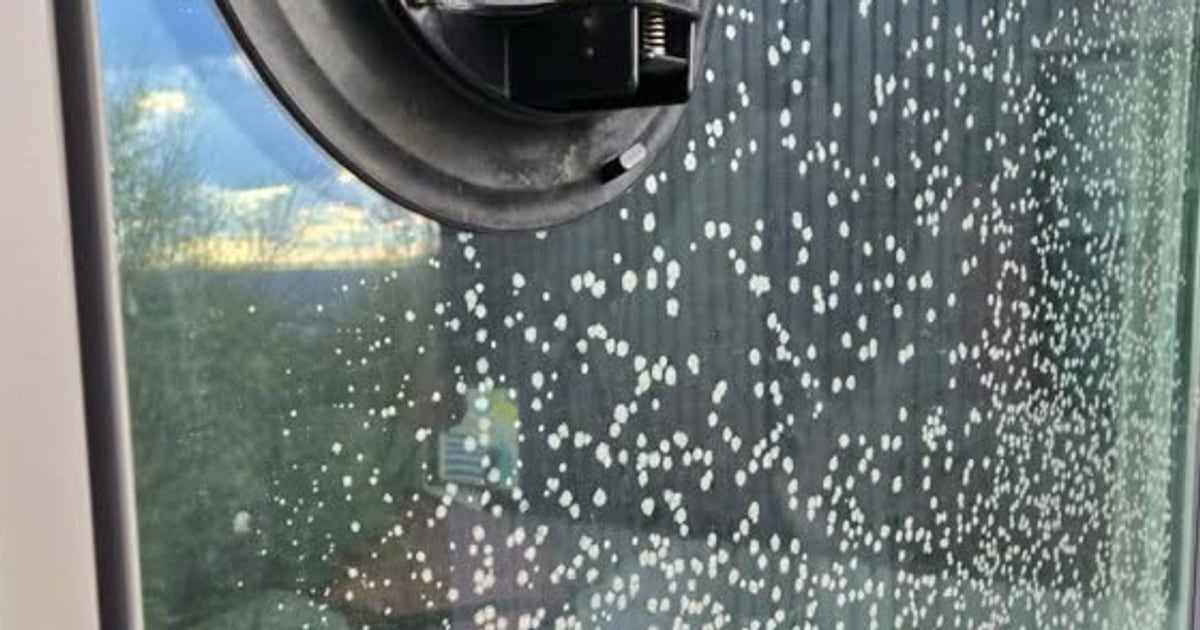
Exclusions are where most disputed claims are settled, so they should match how products actually fail. Two examples from UTS ServicePros’ own articles: glass warranties are written around a permanent obstruction of vision caused by seal failure, and condensation on the room-side face of the glass from indoor humidity is a separate matter. On doors, Simpson Door Company’s warranty excludes defects caused by “warp or bow of the frame or jamb in which the door is hung,” and a door that looks warped often turns out to be straight, hung in jambs that are not on the same plane.
An exclusion is only as good as the evidence that it applies. That is why the inspection report matters as much as the warranty text.
Servicing the Claim
The last decision is who goes to the home. Whoever it is, a usable service dispatch carries the homeowner’s address and contact details, the manufacturer’s reference number, the work description with any part specifications, the parts order and its ETA, and known jobsite details such as elevation, residence type and access restrictions.
The manufacturer’s parts lead time is part of the homeowner’s experience too. From 2008 to 2023, 54% of the work orders in UTS ServicePros’ record needed a manufacturer parts order, and the median wait for a part that had to ship was 12 days. A program that tracks claim-to-resolution time should track the parts wait separately, because the field contractor cannot shorten it. What a complete dispatch includes.
Start a manufacturer consultation to set up field service for your warranty program.
Technical references
- Businessperson’s Guide to Federal Warranty Law — Federal Trade Commission. No business is required to give a written warranty; written warranties on products over $10 must be titled full or limited; the full-warranty minimum standards; pre-sale availability over $15, including online.
- JELD-WEN Holding, Inc. Form 10-K for the fiscal year ended December 31, 2024 (Note 11, Warranty Liability) — U.S. Securities and Exchange Commission (EDGAR). Warranty terms from one year to lifetime on certain window and door components.
- PGT Innovations, Inc. Form 10-K for the fiscal year ended December 30, 2023 (Warranty expense) — U.S. Securities and Exchange Commission (EDGAR). Warranty periods generally 1 to 10 years; 1 to 3 years on most components.
- Window and Door Warranties — Pella Corporation. Vinyl window and patio door glass covered against seal failure for twenty years.
- Warranties (updated October 28, 2024) — Simpson Door Company. Exclusion of defects caused by warp or bow of the frame or jamb.
- Door & Window Warranty Field Record — UTS ServicePros. Share of work orders involving glass; share needing a parts order; median parts wait.