Which Door and Window Parts Fail Most, by US Region
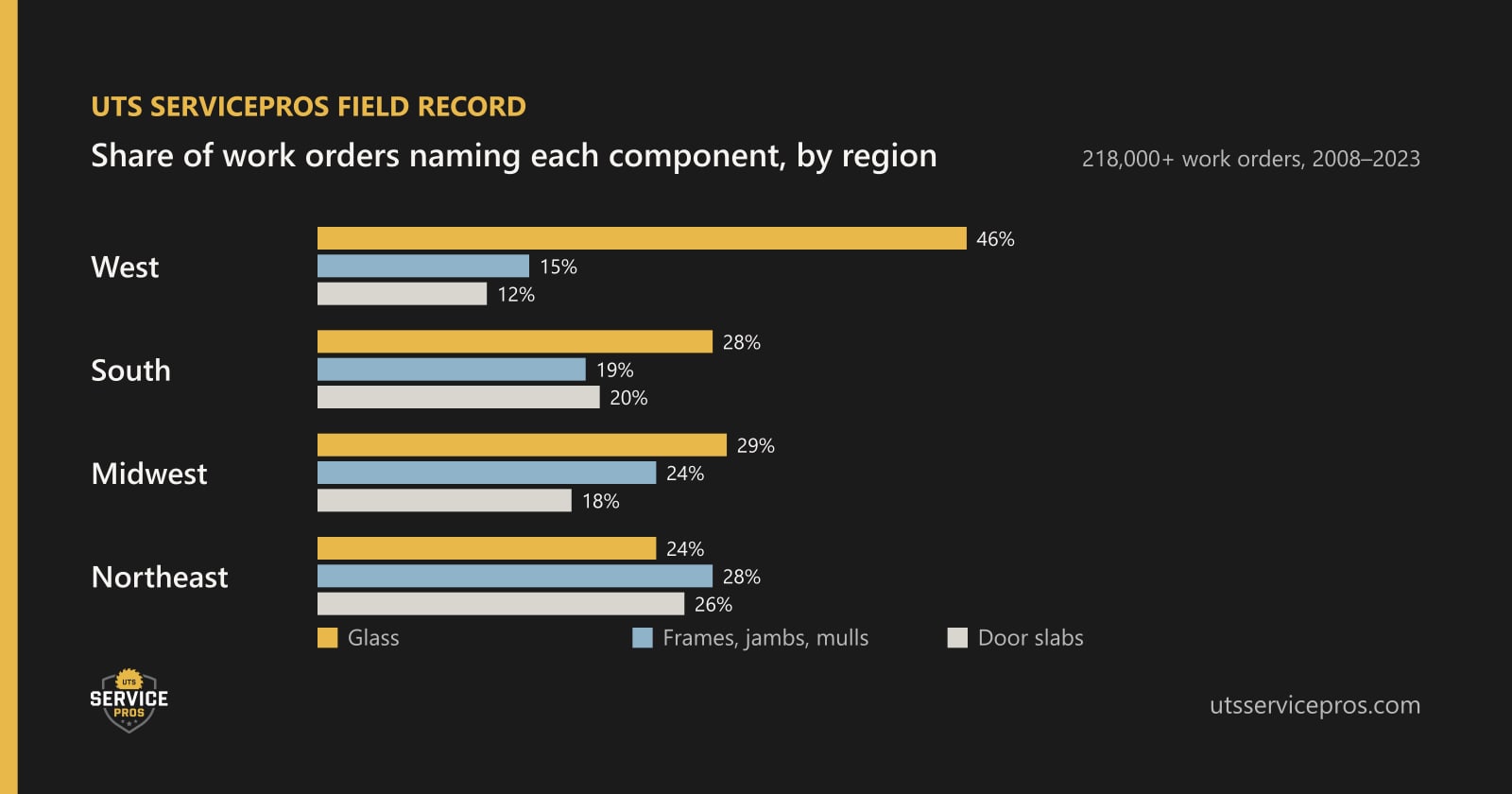
Insulating glass is the most common door and window warranty repair nationally, but the mix changes sharply by region. In 218,000+ UTS ServicePros work orders from 2008–2023, glass appeared in 46% of work orders in the West but 24% in the Northeast, where frames, jambs, mulls and grilles (28%) and warped or delaminated door slabs (26%) were as common or more so. The South and Midwest sit between the two.

The Short Answer
Across the whole country, insulating glass and glazing is the component named most often in door and window warranty work: 33% of the 246,000+ work orders with a written request in the UTS ServicePros field record (January 2008 to September 2026). Frames, jambs, mulls and grilles are second at 21%, and door slabs third.
Region changes that order. In the West, glass appeared in 46% of work orders, nearly half. In the Northeast it appeared in 24%, slightly behind frames, jambs, mulls and grilles at 28%, with door slabs close behind at 26%. A manufacturer or distributor planning warranty parts or service for one region should not assume the national ranking holds there.
How the Figures Were Measured
The regional figures come from the legacy work order system, 2008–2023: 218,000+ work orders with a written request. Each request was classified by keyword into component groups, and a work order that names two components counts in both, so a region’s shares add up to slightly more than 100%. The figures are each component’s share of that region’s work orders.
Regions follow the US Census Bureau’s four regions. The Northeast is New England plus New Jersey, New York and Pennsylvania. The Midwest runs from Ohio and Michigan west to the Dakotas, Nebraska and Kansas. The South runs from Delaware, Maryland and the District of Columbia through Florida and west to Texas and Oklahoma. The West is the Mountain and Pacific states.
The figures are whole-book counts across every manufacturer and distributor that sent UTS work. Nothing here is per manufacturer, per product line or per year, and there is no Canadian row: Canadian volume is too concentrated to publish without describing one account.
West
Insulating glass and glazing 46%; frames, jambs, mulls and grilles 15%; door slabs 12%; locks, latches, hinges and handles 12%; window sash 10%; weatherstripping, sills and leaks 8%.
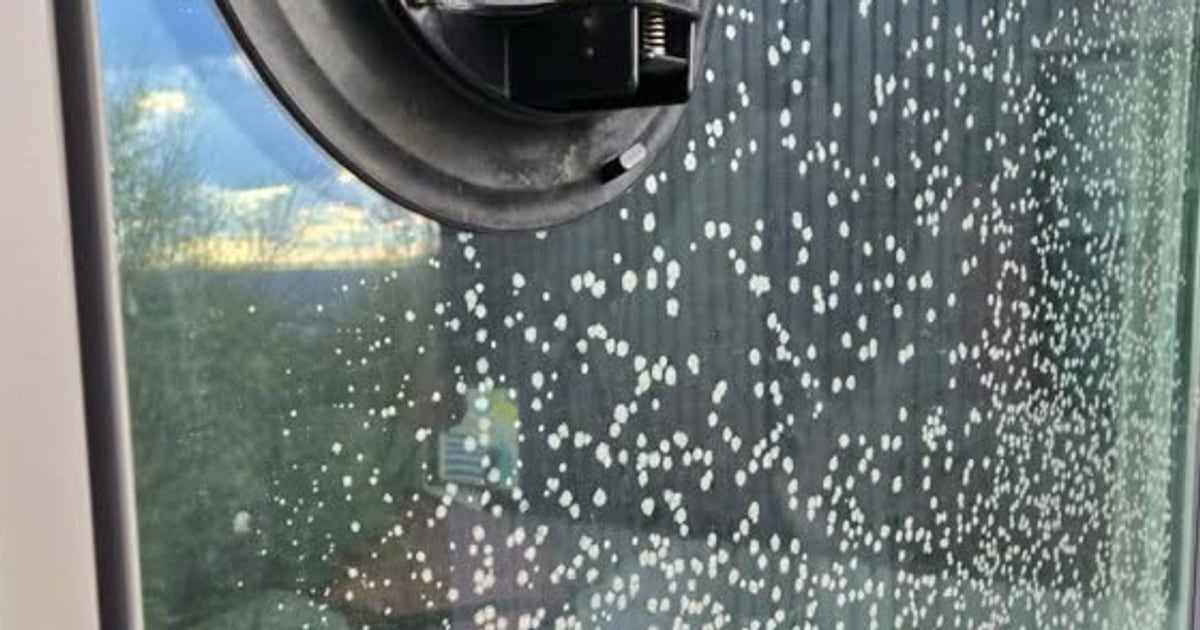
The West is the most glass-heavy region by a wide margin, and the only one where a single component appears in close to half of all work orders. It also had the lowest share of work orders asking for an inspection, 23%. For what a glass claim involves, see foggy window glass and seal failure.
South
Insulating glass and glazing 28%; door slabs 20%; frames, jambs, mulls and grilles 19%; weatherstripping, sills and leaks 16%; locks, latches, hinges and handles 11%; window sash 6%.
The South is the largest region by volume, with 34% of US work orders in the full record. Glass still leads, but door slabs come second, and window sash is the lowest of any region. 31% of its work orders asked for an inspection.
Midwest
Insulating glass and glazing 29%; frames, jambs, mulls and grilles 24%; door slabs 18%; weatherstripping, sills and leaks 18%; locks, latches, hinges and handles 12%; window sash 10%.
The Midwest looks like the national picture with more frame work: frames, jambs, mulls and grilles run within a few points of glass. 32% of its work orders asked for an inspection.
Northeast
Frames, jambs, mulls and grilles 28%; door slabs 26%; insulating glass and glazing 24%; weatherstripping, sills and leaks 18%; locks, latches, hinges and handles 12%; window sash 6%.
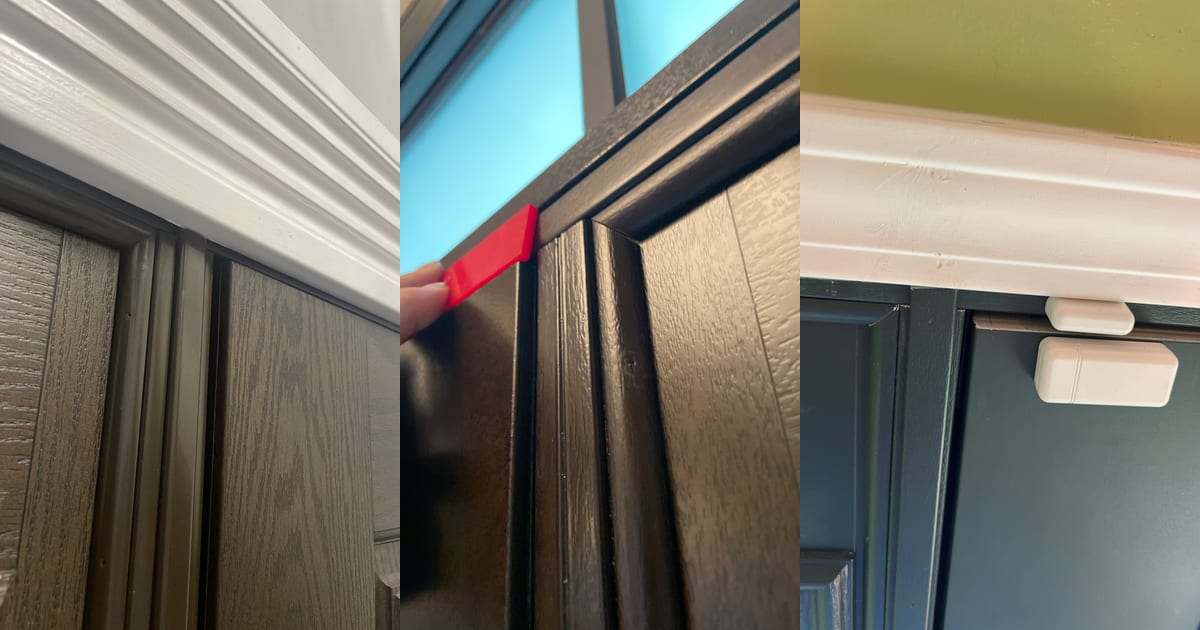
The Northeast is the one region where glass is not the most common component. Frame and door slab work dominate, and it had the highest inspection share of any region, 34%. A door reported as a warped slab can turn out to be a straight door in a frame that is out of line, which is one reason the inspection matters. See why a door that looks warped often is not and shimming a warped mull post.
What the Record Does Not Say
The field record shows where each kind of failure was reported. It does not show why, and we have not attributed the differences to any cause. Anyone drawing a conclusion about the reason needs evidence the work orders do not contain.
It also does not measure failure rates. These are shares of warranty work orders, not shares of products installed, so a high share means that component dominates the warranty work in that region, not that the product fails more often there.
Using It
For a manufacturer or distributor, the practical use is planning: which parts to expect to ship, which claims are likely to need an inspection first, and what skills a service contractor in each region needs. UTS assigns contractors by proximity, performance record and qualification for the specific product and failure type, which is where a regional mix like this one shows up in practice. How coverage works, and what UTS services.
The full dataset, with charts, the national ranking and the parts wait by component, is on the field record page. It is free to cite with credit. Start a manufacturer consultation or contact the team to talk through your own regional footprint.
Homeowners with a failure in any of these categories should start with the manufacturer if the product is under warranty (what to expect from the visit). If it is out of warranty, or the part is covered but the labor is not, request a repair quote.
Technical references
- Door & Window Warranty Field Record — UTS ServicePros. National failure-mode shares; regional failure mix and inspection shares (218,000+ work orders, 2008–2023); regional share of US work orders.
- Census Regions and Divisions of the United States — U.S. Census Bureau. The states in each of the four Census regions used to group the figures.
- Service Coverage — UTS ServicePros. Contractor assignment by proximity, performance and qualification for the product and failure type.