Glass Covered but Labor Not: Who Pays to Install a Warranty Glass Unit
When a window warranty still covers the glass but no longer covers labor, the manufacturer supplies the replacement glass unit and the homeowner pays for someone to install it. That split is common because glass coverage usually runs longer than labor coverage: Pella, for example, covers vinyl window glass against seal failure for twenty years, while its product warranties cover labor for the first two years from purchase. UTS ServicePros installs manufacturer-supplied glass for homeowners as a Consumer Direct job: request a quote, prepay, and the same contractor network that does warranty work for manufacturers does the install.

The Short Answer
If your window warranty covers the replacement glass but not the labor, you pay to have the glass installed. The manufacturer ships the new insulating glass unit at no charge; the cost of removing the failed unit and glazing in the new one is yours.
This is not a loophole or a mistake. Most window warranties cover different components and labor for different lengths of time, and the labor period is usually the shortest. Later in a warranty’s life, glass covered with labor not covered is the normal result.
Why the Glass Outlasts the Labor
Pella’s published warranty FAQ states it plainly: “The length of coverage varies for different product components and service labor within a product warranty. The product warranties cover the cost of labor for the first two (2) years from the date your product is purchased.” Its written warranty for vinyl windows and patio doors shows how that plays out for glass. Nonlaminated glass is warranted against “permanent material obstruction of vision due to a failure of the glass seal for twenty (20) years from the date of sale,” and the remedy is to “repair or replace the defective glass (with cost of labor included only within two [2] years of the date of sale by Pella or its authorized dealer).” On those terms, a seal that fails in year five is a covered part with uncovered labor.
Federal law allows this. Under the Magnuson-Moss Warranty Act, a written warranty on a consumer product costing more than $10 must be titled “full” or “limited.” One of the conditions of a full warranty is that the warrantor provides “warranty service free of charge.” A warranty that does not meet every condition is limited, and a limited warranty can cover parts without labor. The Federal Trade Commission’s own sample of a multiple warranty includes a limited period in which the warrantor will “Provide free new or rebuilt replacement parts, but not labor to install the parts.”
How to Check Your Own Warranty
Find the written warranty for your product line. The FTC’s guide says a written warranty must set out, among other things, what is covered, how long coverage lasts, what the warrantor will do and how to get service. Look for the glass term, the labor term and the date both are counted from. In Pella’s vinyl warranty, for example, both run from the date of sale, not the date of installation.
Then contact the manufacturer first. Even if labor has run out, the manufacturer is the one that validates the glass claim and orders the replacement unit. Ask where the glass will ship and when it is expected. Whoever installs it will need both.
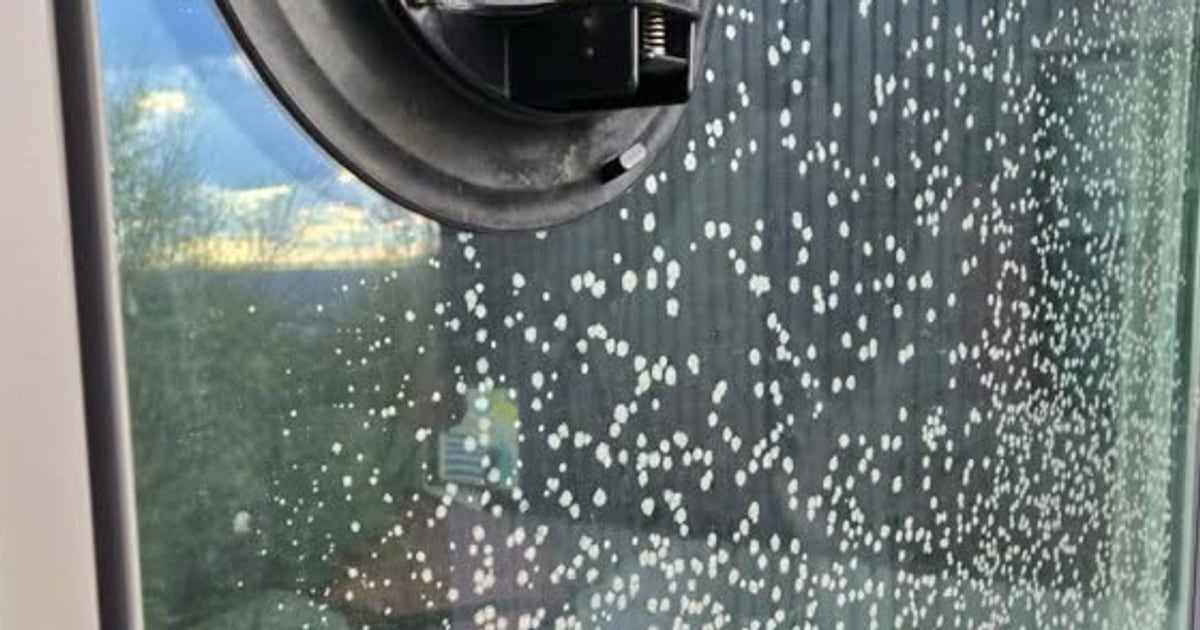
If you are not sure the fog is a failed seal at all, check before you file. Condensation on the room-side face of the glass comes from indoor humidity and wipes off; fog you cannot touch, between the panes, is seal failure. How to tell the difference.
What the Labor Actually Involves
The replacement unit is made to the size and makeup of the original. The contractor removes the failed unit from the existing sash or frame and glazes in the new one. The frame, trim, interior finish and the window’s seal to the wall stay where they are, which is why replacing the glass is usually far less work than replacing the window.
How a sealed unit is set into a frame, including setting blocks, edge clearances and glazing materials, is covered by the industry’s glazing guidelines, IGMA TM-3000, maintained by the Fenestration and Glazing Industry Alliance (FGIA). It is skilled work, and it is the part of the job a parts-only warranty leaves to you.
It is also common work. Insulating glass and glazing is the component named most often in the UTS ServicePros field record: 33% of 246,000+ work orders with a written request, January 2008 to September 2026.
Getting the Glass Installed Through UTS ServicePros
When the parts are covered but the labor is not, UTS ServicePros quotes the homeowner directly as a Consumer Direct field service. Complete the Get a Repair Quote form with the manufacturer, the claim or reference number, the approximate installation year and photographs of the glass. The team responds within 48 hours to review the request and quote the installation.
Consumer Direct work is prepaid. Once payment is made, the service dispatch is created and the same steps follow as on a manufacturer’s warranty job: the same vetted independent contractor network, the same workmanship standard and the same documentation. The glass fitted is the manufacturer’s own unit. Service is available across the lower 48 states and western Canada.
The same route covers a window that is entirely out of warranty, glass and labor both. For anything still fully under warranty, start with the manufacturer, which dispatches warranty repairs itself. What UTS repairs, what homeowners can expect on a visit, or contact the team with a question first.
Technical references
- Window and Door Warranties — Pella Corporation. Coverage varies by component and service labor; product warranties cover labor for the first two years from purchase.
- Pella Vinyl Window & Patio Door Limited Warranty (WVP0217) — Pella Corporation. Nonlaminated glass warranted against seal failure for twenty years from the date of sale; repair or replacement with cost of labor included only within two years of the date of sale.
- Businessperson’s Guide to Federal Warranty Law — Federal Trade Commission. Full or limited titles over $10; a full warranty provides service free of charge; the sample limited warranty covering parts but not labor; required disclosures in a written warranty.
- IGMA TM-3000, North American Glazing Guidelines for Sealed Insulating Glass Units for Commercial & Residential Use — Fenestration and Glazing Industry Alliance (FGIA). Industry guidance on setting sealed insulating glass into a frame: setting blocks, clearances and glazing materials.
- Get a Repair Quote — UTS ServicePros. Quotes for labor-not-covered and out-of-warranty work; response within 48 hours; prepayment before scheduling.