Casement Window Won’t Crank? How to Tell the Handle, the Operator and the Sash Apart
When a casement window will not crank, watch what moves. If the handle spins freely, the handle’s set screw, the handle or the operator gears have failed; Andersen says a worn operator cannot be repaired and should be replaced. If the handle turns and the arm moves but the sash does not, the arm has come off its track or bracket on the sash. If the crank is stiff or will not turn, check that the lock is fully released, then look at the sash: a sash dragging on the frame, often after the building settles, is a hinge adjustment, not an operator problem. Forcing the crank does not help; Marvin warns that excessive cranking may damage the roto-gear.

The Short Answer: Watch What Moves
A casement window that will not crank has one of three problems, and you can usually tell which by watching the handle, the arm and the sash while someone turns the crank.
The handle spins and nothing else moves: the handle is loose on its shaft, the handle is worn, or the gears inside the operator are stripped. The handle turns and the arm moves, but the sash stays put: the arm has come off its track or bracket on the sash. The handle is stiff or will not turn at all: the lock is still engaged, or the sash is dragging or binding in the frame.
The first two are operator problems. The third is usually a sash or hinge problem, and a new operator will not fix it. That difference matters before anyone orders a part: the part has to match the fault.
First, Make Sure the Lock Is Fully Released
A casement sash is held shut by its lock, not by the crank. Manufacturers’ own instructions put unlocking first. Pella’s instructions for its casement crank and lock lever describe removing a lock lever by first unlocking it, “rotating the lock lever up and cranking the window open,” and testing a newly fitted crank handle the same way: “unlock, open window, then close and lock window.”
If the lock lever is only partly released, the crank fights it. Lift the lever fully before you turn the handle. The reverse applies when closing. Marvin’s owner’s manual explains that “your casement lock seals the window tightly closed, so excessive cranking when closing your window does not improve the seal and may damage your roto-gear.” Crank the sash closed until it stops, then lock it.
The Handle Spins: Set Screw, Handle or Operator
Start with how the handle is held on. Pella’s instructions for installing its casement crank show it: loosen “the set screw in the crank handle,” slide the handle onto the operator stud, then tighten the set screw.
Andersen’s troubleshooting for a handle that spins but does not open or close the window starts in the same place. It says the set screw “may be loose, or the operator or its handle may need to be replaced,” and gives a simple test: tighten or replace the set screw first; if that does not work, borrow the handle from another window that works correctly. If the window opens and closes with the other handle, the handle is worn. If it still does not operate, “the operator mechanism may need to be replaced.”
Andersen lists the signs of a stripped or worn operator: the sash will not open or close properly, gears are “visibly backing out or coming out of the operator housing,” gears feel loose, or the handle “turns more than ¾ of a full rotation when the window is fully closed.” Its guidance on the remedy is direct: operators that wear out “cannot be repaired, and we recommend replacing them.”
Operators are not interchangeable. Andersen notes that the type of operator varies with the window’s series and vintage, and its replacement handles are ordered by window type, series and manufacturing year. That is why a repair starts with identifying the window, not with a generic part.
The Arm Moves but the Sash Doesn’t: The Arm Is Off the Sash
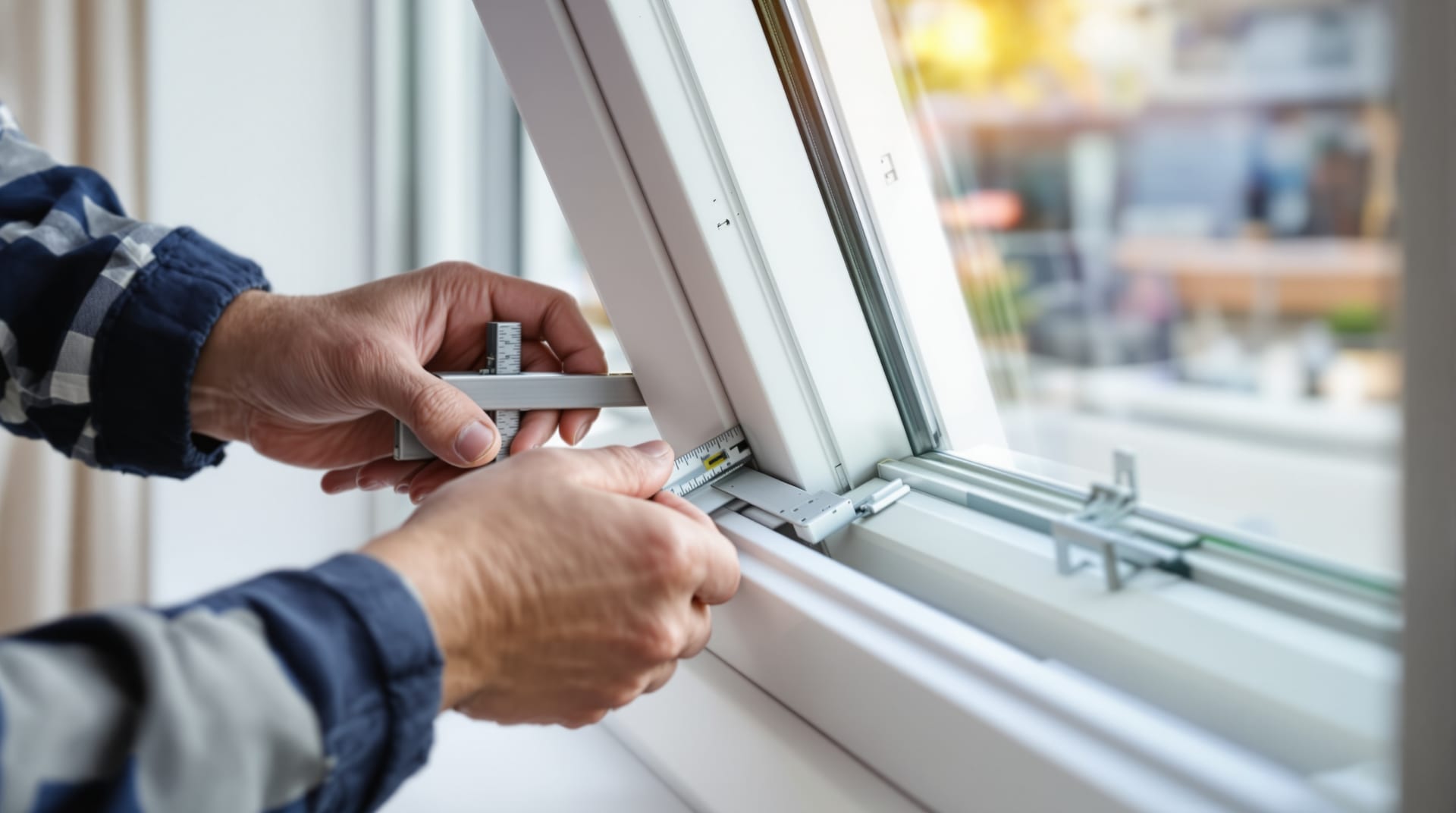
The operator arm connects the gearbox to the sash. Depending on the design, its end runs in a channel or track on the bottom of the sash, or clips to a bracket on it. Andersen’s 400 Series casement sash replacement guide shows both: on straight-arm units, an operator arm shoe that slides along an operator channel on the bottom of the sash; on split-arm units, an operator arm clip on a sash bracket.
Some windows are designed to let the arm come off. Marvin’s Vivid casement has a wash mode in which the owner pushes down on the operator arm “to disengage it from the track,” so the sash can swing fully open for cleaning. If an arm has been disengaged and not reconnected, or has come loose on its own, the crank turns the arm and leaves the sash where it is.
Take care with a sash in this state. Andersen’s guide warns that releasing the operator arm “allows sash to swing freely. Sash could suddenly swing out and break free.” If the arm is off and you cannot reconnect it the way your manufacturer’s instructions describe, keep the sash closed and locked until it is repaired.
The Crank Is Stiff or Won’t Turn: Look at the Sash
If the lock is released and the crank is still hard to turn, or turns until the sash rubs and stops, the operator may be doing its job against a sash that is dragging on the frame. Milgard’s guide to adjusting a hinged window says “over time windows may change due to building settling, which could require a minor adjustment,” and its adjustable hinges let the sash be re-aligned in the frame to reduce sash drag.
Hinge adjustment has limits. Milgard’s hinges move the sash a full 1/16 inch toward the outside of the sash and 1/32 inch toward the jamb, and Milgard warns that maximum adjustment “may cause binding as the window is closed.” A sash that drags beyond that range, or has sagged at its lower hinge corner, needs a closer look at the hinges, the sash and the frame. Our guide to window component failures covers sash binding, sagging and racking, and why a new operator on a sagging sash will fail again unless the sag is corrected too.
Dirt and dry hardware also make a crank stiff. Marvin’s owner’s manual says roto-gears “should be lubricated once a year with white lithium grease,” the hinge joints and locking mechanism “should be lubricated on occasion with a silicone based spray,” and to “clean off all dirt, debris or sand before lubrication.” It also cautions that excessive lubrication may damage the window’s finish. Follow your own manufacturer’s care instructions; they are not all the same.
How Often This Comes Up, and Who Fixes It
Casement and awning operators are a small share of warranty work. In UTS ServicePros’ field record, they appear in 1% of the 246,000+ door and window work orders with a written request, January 2008 to September 2026. Window sash work appears in 8%, and units that stick, sag, drag or will not open or close as designed in 9%. See the full field record.
If the window is under warranty, contact the manufacturer first. It decides what is covered and dispatches the repair, and the contractor who visits fits the manufacturer’s own parts. What to expect when a contractor comes on the manufacturer’s behalf.
If the window is out of warranty, or the manufacturer covers the part but not the labor, UTS ServicePros can quote the repair directly across the lower 48 states and western Canada. Request a repair quote and include the brand, any label or series information, which of the three symptoms you see, and photos of the handle, the operator arm and the sash. What UTS repairs, or contact us with questions.
Technical references
- Operator Handle Spins, Does Not Open/Close Andersen Casement or Awning Window — Andersen Windows & Doors. A spinning handle points to a loose set screw, a worn handle or the operator; the swap-a-handle test.
- Stripped or Worn Operator on Andersen Casement or Awning Window — Andersen Windows & Doors. Symptoms of a worn operator; worn operators cannot be repaired and should be replaced.
- Sash Replacement Instructions, 400 Series Casement (Manufactured 1966 to Present) — Andersen Windows & Doors. Operator arm shoe on an operator channel and operator arm clip on a sash bracket; a released operator arm lets the sash swing freely.
- Installing Roto Cover and Crank and Lock Lever (804X0102) — Pella Corporation. The crank handle is held on the operator stud by a set screw; unlock before cranking the window open.
- How to Adjust a Hinged (Casement or Awning) Window — Milgard Windows & Doors. Sash drag from building settling corrected by hinge adjustment; adjustment range and the binding caution.
- Marvin Vivid Owner’s Manual — Marvin. Wash mode disengages the operator arm from the track; excessive cranking may damage the roto-gear; lubrication guidance.
- Marvin Replacement Window + Door Owner’s Manual — Marvin. Casement roto-gear lubrication with white lithium grease, silicone spray on hinges and lock, cleaning before lubrication.
- Door & Window Warranty Field Record — UTS ServicePros. Shares of work orders involving casement and awning operators, window sash, and adjustment and operation.