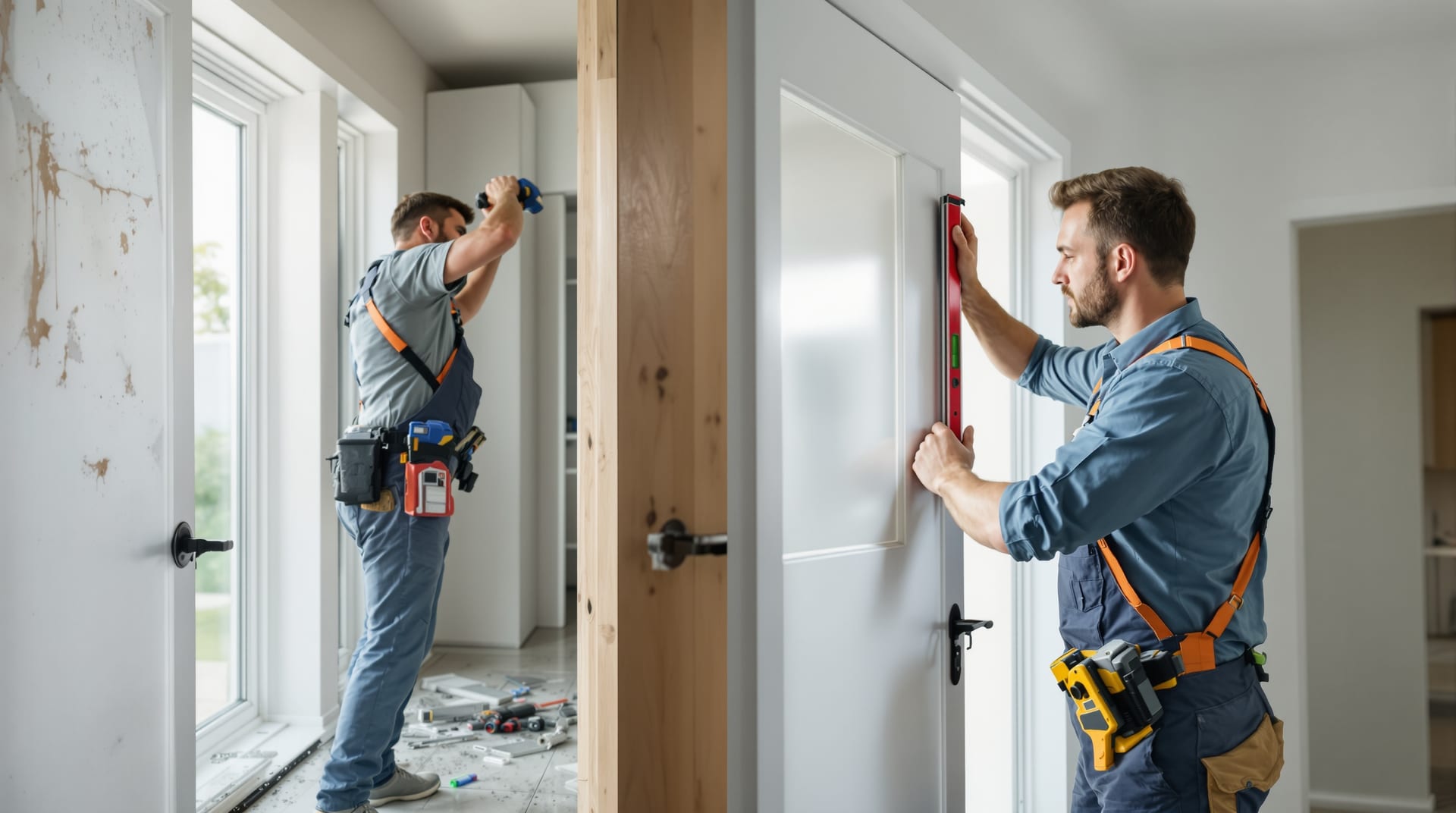
Cost Analysis8 min read

The Real Cost of Untrained Contractors: A Distributor's Warranty Nightmare

Every untrained contractor a distributor sends to install a door or window is a warranty claim waiting to happen. The hidden costs do not appear on the installation invoice. They appear months later as seal failures, frame warp callbacks, hardware misalignment, and homeowner lawsuits. The distributor saved $50 on labor. They lost $5,000 on the warranty chain reaction.

Matt Christner

Matt Christner

President, UTS ServicePros

The Real Cost of Untrained Contractors: A Distributor's Warranty Nightmare

The $50 Savings That Costs $5,000

It starts with a simple decision. A distributor needs a door installed for a builder customer. The certified installer quoted $350. An untrained handyman quoted $300. The distributor saves fifty dollars, the handyman gets the job, and the door goes in. Everyone is happy — for about six weeks.

By month three, the builder calls back. The door frame has warped. The threshold leaks water into the subfloor during rain. The multi-point lock does not engage properly, and the homeowner is threatening to withhold final payment until the security issue is resolved. The distributor now faces a choice: send another contractor to fix the problem at their own expense, or argue with the builder about whose responsibility the installation error was. Either way, the distributor is losing money and goodwill.

The total cost of this single callback — second labor dispatch, replacement parts, builder relationship repair, potential discount to retain the account, administrative time, and the reputational damage when the builder warns other builders in the market — typically ranges from $1,200 to $5,000 depending on the severity. The distributor saved $50. They spent fifty to one hundred times that amount fixing the consequences. And this is a single door. Multiply by the number of untrained installations the distributor authorizes annually, and the warranty cost becomes a business-threatening liability.

The mathematics are brutal but simple: one callback wipes out the savings from twenty to one hundred cheap installations. If the callback rate on untrained labor is even 10% — and industry data shows it is significantly higher for doors and windows — the distributor is losing money on every installation program they run.

Why Untrained Contractors Destroy Doors and Windows

Doors and windows are engineered systems, not simple assemblies that snap into place. They require precise frame preparation, correct shimming and anchoring, proper sealant application, accurate hardware alignment, and integration with the building envelope weatherproofing system. A contractor who has installed kitchen cabinets or hung drywall does not automatically understand door frame anatomy, thermal expansion clearances, or drainage plane continuity.

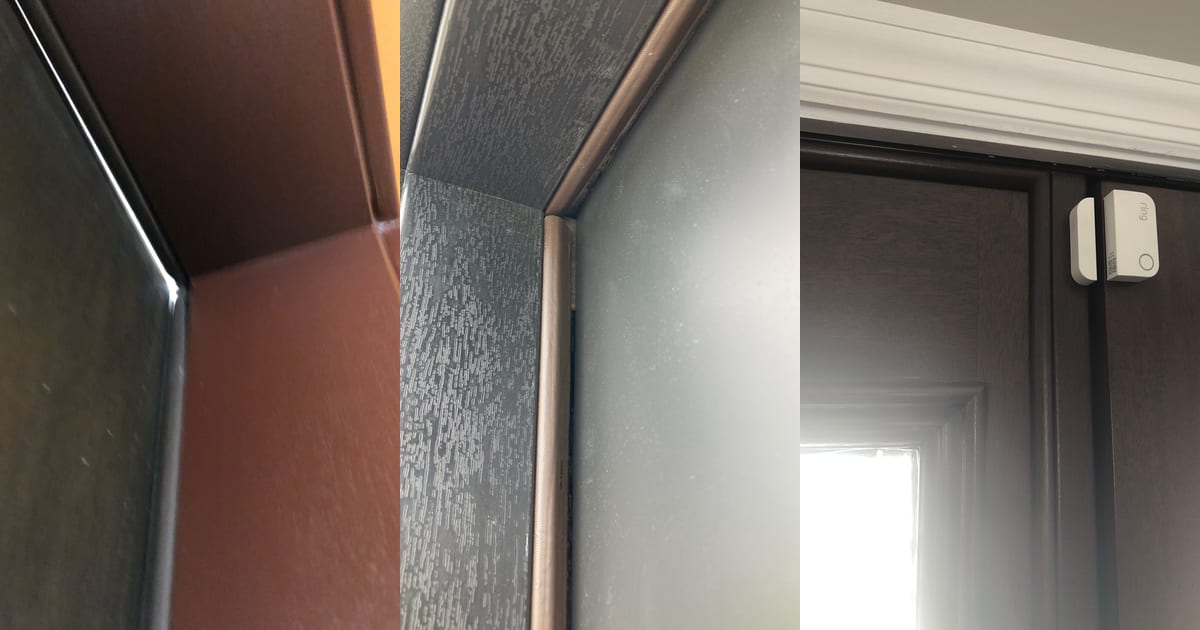
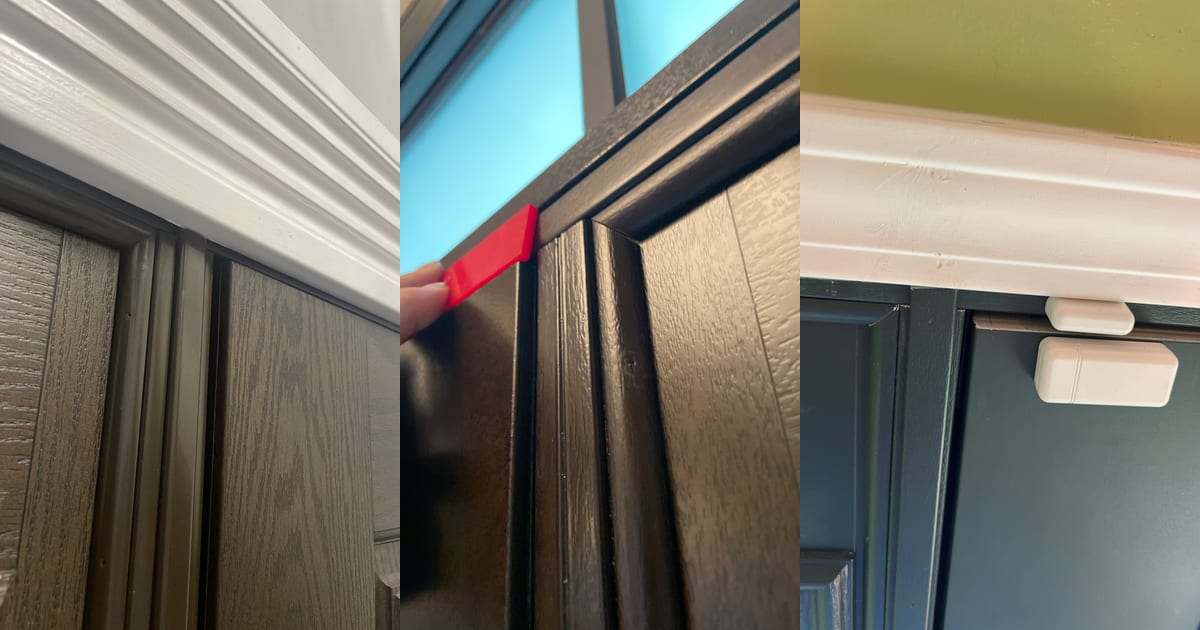
The most common untrained installer error is improper frame anchoring. A door frame must be shimmed at specific intervals to maintain plumb and square while allowing for expansion and contraction. An untrained contractor often anchors the frame too tightly, creating stress concentrations that warp the frame within weeks. Or they anchor it loosely, creating gaps that compromise weatherstripping contact and allow air and water infiltration. Either way, the installation creates a warranty event that the manufacturer did not cause but may be forced to absorb.

Threshold installation is the second most common failure point. A proper threshold installation requires positive slope to the exterior, continuous sealant under the threshold cap, integration with the subsill drainage plane, and correct door bottom sweep compression. Untrained contractors frequently set thresholds flat or sloped toward the interior, skip sealant application, or fail to verify that the door bottom sweep makes consistent contact across the full width. The result is water intrusion that damages flooring, wall base plates, and drywall — damages far more expensive than the original installation.

Hardware alignment is the third critical error zone. Multi-point locks require precise frame-to-slab alignment so that shootbolts engage their keepers simultaneously. Hinges must be mortised to exact depth and spacing to prevent sagging under the door weight. Untrained contractors install hardware by eye rather than by measurement, creating misalignment that causes premature wear, operational failure, and the false security condition of a door that appears locked but is not.

Window installation errors follow a similar pattern. Improper shimming causes sash binding and seal failure. Missing or incorrect sealant creates water intrusion paths. Failure to integrate window flashing with the wall weather barrier causes leaks that are misdiagnosed as product defects. Every error becomes a warranty claim that the distributor or manufacturer must honor, even though the root cause was installation incompetence.

The Warranty Claim Chain Reaction

A single installation error does not create one warranty claim. It creates a chain reaction of claims, callbacks, and escalating costs that can consume an entire product line or distributor account. Understanding this chain is essential to understanding why untrained contractors are so expensive.

Stage one is the initial callback. The builder or homeowner reports a problem — water intrusion, operation difficulty, lock failure. The distributor dispatches someone to investigate. That investigation costs time and money. If the problem is clearly an installation error, the distributor faces a difficult conversation with the builder about who pays for the repair. Many distributors absorb the cost to preserve the relationship, effectively subsidizing the untrained contractor's mistake.

Stage two is the attempted repair. A different contractor — sometimes equally untrained — is sent to fix the problem. They replace the threshold, adjust the hardware, or re-caulk the frame. But because they do not understand the root cause, the repair is partial or temporary. The water intrusion returns. The lock fails again. The callback count increases, and the homeowner's frustration escalates from annoyance to anger.

Stage three is the manufacturer involvement. When the distributor cannot resolve the issue, the builder or homeowner escalates to the manufacturer. The manufacturer dispatches their own technician or a third-party warranty service provider. The technician discovers that the problem is installation-related, not product-related. The manufacturer now faces a choice: deny the warranty claim and risk a public dispute, or honor it as a goodwill gesture and absorb the cost of fixing someone else's installation error. Most manufacturers choose goodwill — and eat the cost.

Stage four is the reputational damage. The builder who experienced repeated callbacks stops specifying that brand. The homeowner who endured months of water damage posts a detailed negative review naming the manufacturer, the distributor, and the product. Other homeowners researching the brand encounter that review. The lifetime value of the lost customers — builders and homeowners — compounds into a brand equity loss that no marketing budget can reverse.

Stage five, in the worst cases, is litigation. Water-damaged hardwood floors, mold remediation, and security failures from non-locking doors create real damages that homeowners pursue through product liability lawsuits. Even if the manufacturer ultimately prevails by proving installation error, the legal defense costs, management distraction, and insurance premium increases create lasting financial damage.

How Distributors Get Trapped in the Cheap Labor Cycle

The cheap contractor trap is not usually a conscious strategy. It is a gradual drift that distributors fall into through competitive pressure, tight margins, and a misunderstanding of where installation risk actually sits.

Competitive pressure is the primary driver. In markets with multiple distributors competing for the same builder accounts, installation pricing becomes a differentiator. The distributor who quotes the lowest installed price wins the bid. To achieve that low price, the distributor cuts labor costs by hiring cheaper, less-qualified contractors. The builder gets the low price. The distributor gets the order. And the warranty time bomb starts ticking.

Margin compression amplifies the pressure. Window and door distribution margins have narrowed over the past decade as big-box retailers and direct-to-builder programs have commoditized pricing. When the product margin is thin, the distributor looks to installation as a profit center. But installation is already a low-margin service. The only way to increase installation profit is to cut labor costs — which means hiring cheaper, less-trained contractors.

The fundamental misunderstanding is that distributors believe installation errors are the contractor's problem. They are not. Installation errors become the distributor's problem when the builder demands resolution. They become the manufacturer's problem when the builder or homeowner escalates beyond the distributor. The contractor who caused the error may be long gone — uninsured, unbonded, and unreachable — by the time the warranty claim arrives. The distributor and manufacturer are left holding the liability.

Breaking the cycle requires a structural change in how distributors think about installation. Installation is not a cost to be minimized. It is a warranty prevention investment to be optimized. Every dollar spent on a trained, certified technician saves five to ten dollars in avoided callbacks, warranty claims, and relationship damage. The distributor who understands this math wins the long game.

What Certified Installation Actually Delivers

Certified door and window installation is not merely about knowing which end of a screwdriver to hold. It is a comprehensive competency that encompasses product knowledge, building science, weatherproofing integration, and documentation discipline. A certified technician delivers value that an untrained contractor cannot replicate at any price.

Product-specific knowledge is the foundation. Certified technicians understand the specific products they install — frame materials, thermal expansion coefficients, hardware systems, and manufacturer-specified installation procedures. They know that a fiberglass door frame requires different anchoring spacing than a steel frame. They know that a triple-pane IGU requires different setting block placement than a double-pane unit. This product-specific knowledge prevents the generic installation errors that cause most callbacks.

Building science integration is the next layer. Certified technicians understand that a door or window is not an isolated component — it is a critical junction in the building envelope weatherproofing system. They evaluate the rough opening for proper flashing, assess the wall drainage plane continuity, and integrate the product installation with the surrounding weather barrier. This systems thinking prevents the water intrusion failures that cause the most expensive warranty claims.

Documentation discipline is the often-overlooked advantage. Certified technicians photograph the rough opening before installation, document shim placement and anchor spacing, record sealant application, and capture the completed installation from multiple angles. If a warranty issue arises months later, the documentation proves that the installation was performed correctly — protecting the distributor and manufacturer from liability for installation-related problems.

The combined effect of these competencies is a dramatically lower callback rate. Industry data shows that certified technicians achieve first-visit success rates above 95% for standard door and window installations, while untrained contractors typically fall below 75%. That twenty-point difference is the margin between profitable installation operations and warranty-driven losses.

How UTS ServicePros Eliminates the Untrained Contractor Risk

UTS ServicePros solves the untrained contractor problem at scale for distributors and manufacturers nationwide. Our network of 500+ certified independent technicians ensures that every installation — whether it is a single residential door or a multi-unit commercial window project — is performed by a trained professional who understands the product, the building science, and the documentation requirements.

Every technician in the UTS network completes a rigorous certification process that includes manufacturer-specific product training, building envelope weatherproofing coursework, hands-on installation assessment, and documentation protocol education. Technicians must pass written and practical examinations before receiving certification for specific product categories. Recertification is required annually to ensure continued competency as product lines and standards evolve.

The certification is not generic. UTS ServicePros works with each manufacturer partner to develop product-specific training modules that cover common failure modes, proper installation procedures, and documentation standards unique to that manufacturer's product line. When a UTS technician installs your product, they are installing it the way your engineering team intended — with the clearances, anchoring, and sealant specifications that optimize performance and minimize warranty exposure.

For distributors, UTS ServicePros transforms installation from a liability source into a competitive advantage. You can offer your builder customers guaranteed certified installation with complete documentation, nationwide coverage, and warranty-backed quality. The builder gets peace of mind. You get a value-added service that differentiates your distributorship from competitors who still rely on cheap, untrained labor. The manufacturer gets installations that protect the product reputation rather than creating warranty claims.

The cost of certified installation through UTS ServicePros is higher than hiring an untrained handyman. But it is dramatically lower than the fully loaded cost of callbacks, warranty claims, relationship damage, and legal exposure. For distributors serious about protecting their business and their manufacturer partnerships, the math is unambiguous: certified technicians are not an expense. They are insurance.

untrained contractorsinstallation qualitydistributor warrantycallback costscertified installersdoor installationwindow installationwarranty preventionnationwide network

Frequently Asked Questions

Common questions about this topic from window and door manufacturers.

How can a distributor tell if a contractor is actually trained for door and window installation?

Ask for certification documentation from recognized industry programs or manufacturer-specific training. Request references from recent installations and follow up on callback rates. Require proof of general liability and workers compensation insurance. Observe whether the contractor asks detailed questions about the product specifications and installation environment before quoting. Untrained contractors typically provide flat-rate quotes without product-specific questions.

What is the typical callback rate difference between certified and uncertified installers?

Certified door and window technicians achieve first-visit success rates of 95% or higher on standard installations. Untrained contractors typically fall between 70% and 80%, with callback rates of 20% to 30%. For high-performance or complex products — multi-point lock entry doors, triple-pane windows, commercial storefront systems — the gap widens further, with untrained callback rates exceeding 40%.

Who is legally liable when an untrained contractor causes installation-related warranty damage?

Liability typically flows through the chain: the contractor who performed the installation is primarily responsible, but they are often uninsured or judgment-proof. The distributor who hired the contractor faces secondary liability under negligent hiring or vicarious liability theories. The manufacturer may face liability if the homeowner sues the manufacturer directly, even when the root cause was installation error. Proper documentation from a certified installer is the best defense against this liability chain.

Does UTS ServicePros provide installation services or only warranty repair services?

UTS ServicePros provides both. Our certified technician network performs initial product installations for distributors and builders, as well as warranty service repairs and replacements. The same certification, documentation standards, and quality assurance apply to both installation and service work. This unified approach ensures consistency and protects the manufacturer across the entire product lifecycle.

How quickly can UTS ServicePros deploy certified technicians for a distributor project?

For standard markets, UTS ServicePros can dispatch certified technicians within 48 to 72 hours of project authorization. For large commercial or multi-unit projects requiring multiple technicians, we coordinate scheduling to ensure simultaneous mobilization. Emergency installation needs — for example, a security-critical door replacement — can typically be addressed within 24 hours in most metropolitan markets.

Related Articles

Why Window and Door Manufacturers Lose Millions to Warranty Claims (And How to Stop It)
Warranty Strategy

Why Window and Door Manufacturers Lose Millions to Warranty Claims (And How to Stop It)

Poorly managed warranty claims cost window and door manufacturers millions in direct costs, legal exposure, and damaged brand reputation every year. The root cause is not the product defect itself — it is the absence of a structured, documented, nationwide response system. Learn how third-party warranty management transforms losses into competitive advantage.

The Hidden Cost of In-House Warranty Teams vs. Third-Party Service Networks
Cost Analysis

The Hidden Cost of In-House Warranty Teams vs. Third-Party Service Networks

Manufacturers often assume in-house warranty teams offer more control and lower cost. The reality is the opposite. Between salaries, benefits, insurance, geographic limitations, and liability exposure, internal teams are significantly more expensive and riskier than a structured third-party brokerage model. Here is the detailed comparison.

Door Warranty Disasters: When Frame Warping, Seal Failure & Hardware Breakdowns Destroy Your Brand
Brand Protection

Door Warranty Disasters: When Frame Warping, Seal Failure & Hardware Breakdowns Destroy Your Brand

Doors are high-touch, high-stakes products. When a door fails — whether it is a warped frame that will not close, a seal that leaks water onto hardwood floors, or a lock that leaves a family unable to secure their home — the homeowner's emotional response is immediate and intense. A slow or unprofessional warranty response transforms a product defect into a brand crisis.

Partner vs. Vendor: Why After-Service Care Is the Real Brand Battlefield for Manufacturers
Brand Protection

Partner vs. Vendor: Why After-Service Care Is the Real Brand Battlefield for Manufacturers

Every manufacturer wants to protect its brand. But the moment a product leaves the factory, brand control passes to whoever handles the after-service experience. A vendor mentality — cheapest labor, fastest ticket closure, minimal documentation — destroys brand equity one warranty call at a time. A partnership mindset — strategic alignment, quality standards, and shared accountability — transforms after-service care into a brand-building engine.

Deliver the Manufacturer's Promise Nationwide

UTS ServicePros provides the nationwide network, documentation discipline, and liability protection that transforms warranty service from a cost center into a competitive advantage.